
Bringing houseplants into your living space can add warmth, beauty, and even improve air quality. However, keeping these green companions healthy requires some care and attention. If you’re a plant lover or just starting your indoor garden journey, this guide will help you understand the essentials of plant care and offer practical tips to keep your houseplants thriving.
Understanding Your Houseplant Needs
Every plant species has unique requirements, but there are common factors that influence their health:
– Light
– Water
– Humidity
– Temperature
– Soil and nutrients
Knowing these basics can dramatically improve your success with houseplants.
Choosing the Right Location
Assess Light Conditions
Light is the most critical factor. Some plants thrive in bright, direct sunlight, while others prefer low or indirect light.
– Bright light plants: Succulents, cacti, and fiddle leaf figs.
– Low light plants: Snake plant, pothos, and ZZ plant.
Place your plants where they get their preferred light levels. A south-facing window usually gets the most sun, while north-facing windows offer gentler light.
Avoid Drafts and Extreme Temperatures
Keep plants away from heating or cooling vents, open windows during cold weather, and appliances that generate heat. Sudden temperature changes stress plants and can cause leaf drop or slowed growth.
Watering Wisely
Understand Your Plant’s Water Needs
Overwatering and underwatering are the most common causes of plant problems.
– Check soil moisture: Insert your finger about an inch deep to feel if the soil is dry or damp.
– Water when needed: Allow soil to dry slightly between watering for many plants, but some tropical plants may prefer consistently moist soil.
Use the Right Watering Technique
Water thoroughly until you see water drain from the bottom of the pot to ensure even root hydration. Empty the saucer afterward to prevent root rot.
Humidity and Air Circulation
Many houseplants, especially tropical varieties, love humidity.
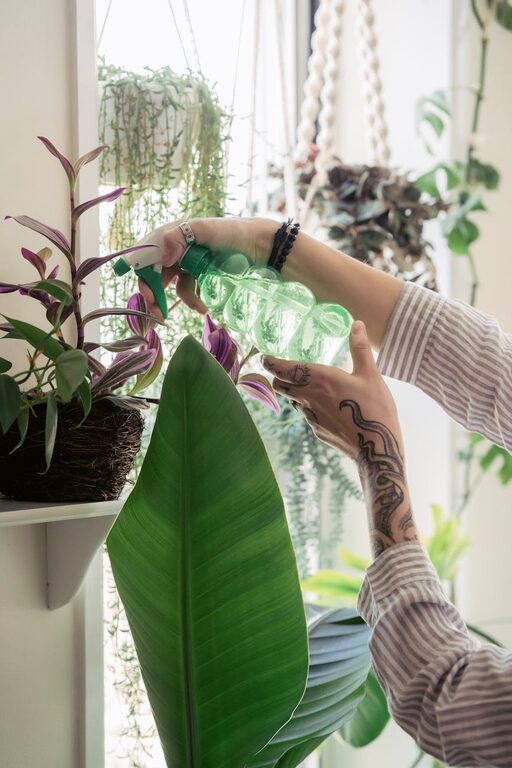
– Increase humidity: Use pebble trays with water, group plants together, or use a room humidifier.
– Good air circulation: Avoid stagnant air, but don’t place plants in drafty locations.
Choosing the Proper Soil and Fertilizer
Use the Appropriate Potting Mix
Not all soils are created equal. Succulents need fast-draining soil, while ferns prefer moisture-retentive mixes.
– Buy potting soil suited to your plant type.
– Repot plants every 1-2 years to refresh soil and allow root growth.
Fertilize Appropriately
Feed your plants during the growing season (spring and summer) with a balanced, water-soluble fertilizer. Follow the recommended dosage to avoid fertilizer burn.
Pruning and Cleaning
Prune Dead or Yellowing Leaves
Removing unhealthy foliage helps your plant focus energy on new growth and prevents pests or disease.
Clean Dust from Leaves
Dust can block sunlight. Wipe leaves gently with a damp cloth or give plants an occasional shower with lukewarm water.
Watch Out for Pests
Inspect your plants regularly for common pests like spider mites, aphids, or scale insects. If you notice any, isolate the affected plant and treat it with natural insecticidal soap or neem oil as directed.
Pot Size and Drainage
Choosing the right pot can impact plant health significantly.
– Ensure pots have drainage holes to prevent waterlogging.
– Repot when roots become crowded to avoid stress.
Final Thoughts
Caring for houseplants is a rewarding experience that adds life and freshness to your home. By paying attention to their light, water, humidity, and overall environment, you can enjoy healthy, vibrant plants. Remember, patience and observation are key—plants let you know what they need once you learn to read their signals.
Happy planting!